

JOHANES “MO’ONG” SANTOSO PRIBADI | MAKING SOUND MUSIC
- Published on Thursday, 06 April 2023 09:03
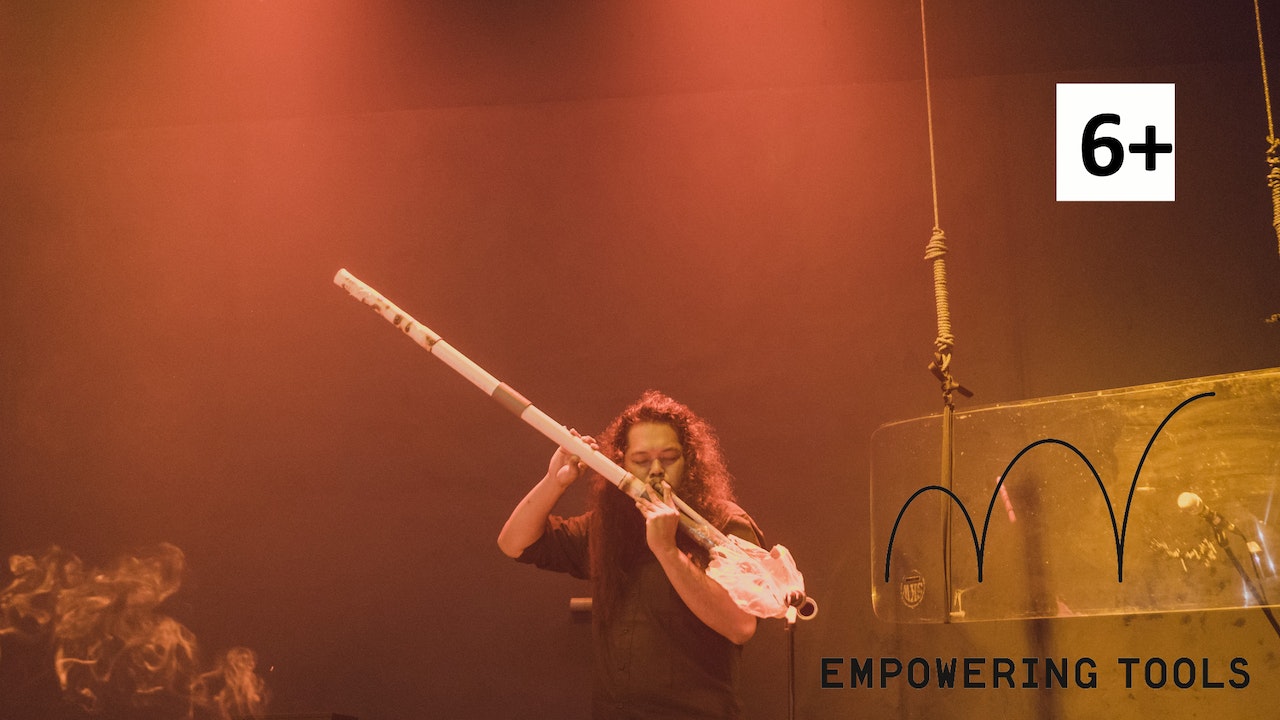
Learning kit for primary school children Making Sound Music by Johanes "Mo'ong" Santoso Pribadi
You can use these free learning materials to practice making sounds from objects around you, create sounds from associations with a place, listen and respond to soundscape recordings, and create a space for freedom of expression during group activities. The learning kit includes a lesson plan, activity guidelines, presentation materials and audio recordings. The activities are rooted in playful expression and the principles of embodied learning.
RECORDED SOUNDSCAPES PLAYLIST (SOUNDCLOUD)The purpose of this activity is to combine the actions of sensing, listening, feeling, thinking and acting while responding to soundscape recordings by adding your own sounds. Step 1: Choose a selection of soundscape recordings to play in the classroom from this playlist. Step 2: After listening, the students should discuss where they think the soundscape recordings are from. Step 3: Respond to the recordings by making sounds associated with the environment where the recording was taken. What sound atmosphere can accompany this soundscape? For example, wind, steps, fire, animals, etc. What activities and experiences do you want to convey through sound to accompany this soundscape? For example, forest walks, throwing snow, making snowmen, ice skating, etc.
TEACHING MATERIALS Keywords: Play, sound-music, improvisation, community, environment, geography Age group: 7–12 years old, primary school age Number of participants: 10–20 per group Time: 40 minutes per activity
Learning outcomes: The students will learn how both natural elements and recycled waste materials (plastic, bottles, canned food or drink, etc.) can be used as instruments to produce sound and make music. Understand the collective and social nature of making music and playing musical games. Explore the embodied experience of making sounds and music.
GROUP COMMUNICATION AND PERFORMANCE Experiment playing as a group with the sound-making objects and instruments around you! Explore making harmonies with your chosen instruments or sounds. How does it feel to build soundscapes as pairs or in groups? What kinds of sounds are produced by each participant and their chosen instrument or body? Do you enjoy hearing the sounds being made around you? How does it feel to make your own sounds? Remember to pay attention, listen, and be respectful to each other.
NEXT STEPS More about the artist: https://soundcloud.com/j_moong_santoso_pribadi/albums
Additional reading for teachers: Susan J Smith. Performing the (Sound)World Ellen Swift, Jo Stoner, and April Pudsey. Sound-Making Objects Benjamin Kline Hunnicutt. Leisure and Play in Plato's Teaching and Philosophy of Learning Sound workshop recordings: Diego Stocco - Music from a Tree
|