

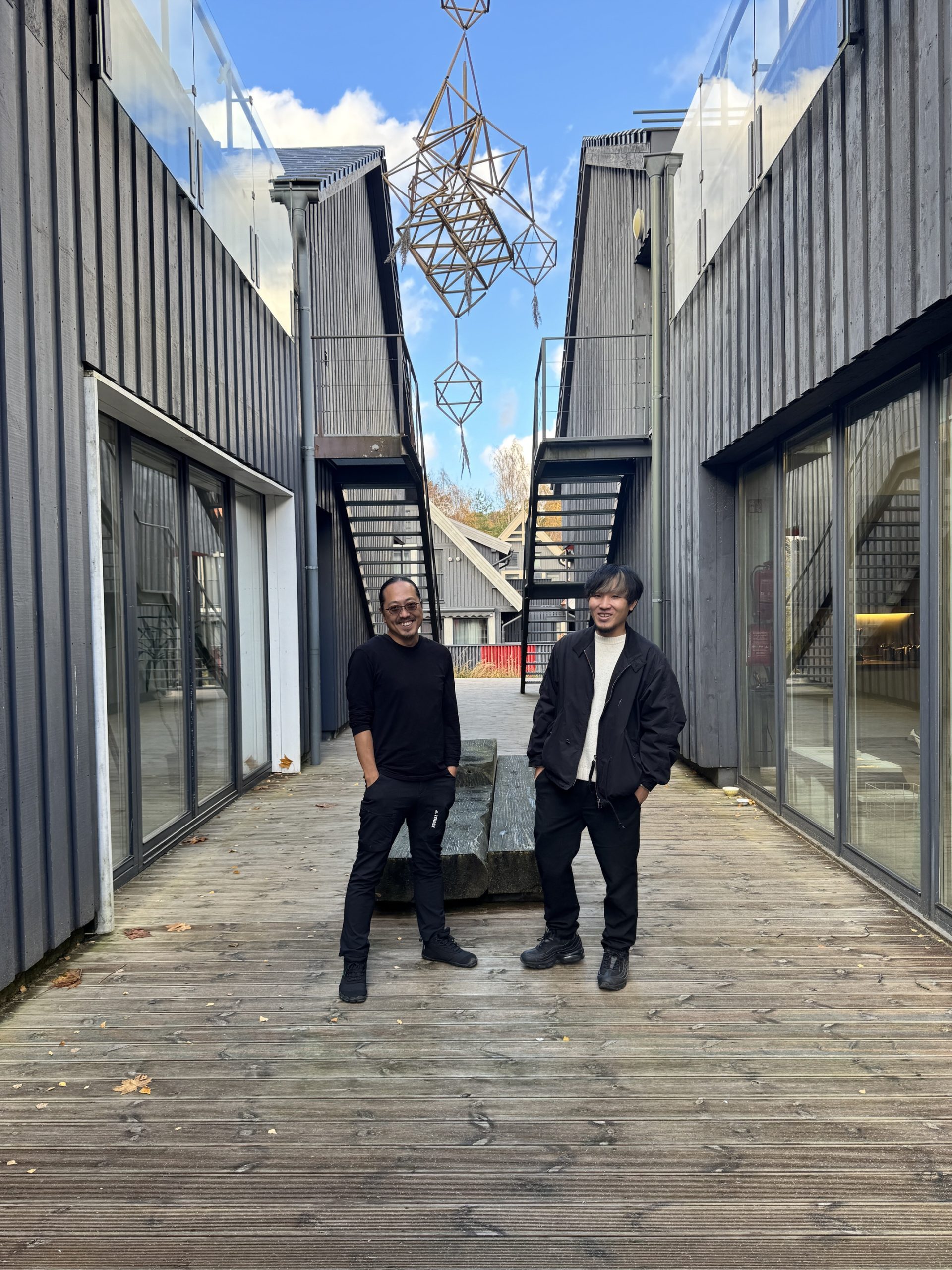
Nida Art Colony of Vilnius Academy of Arts has launched a new artist residency exchange programme with Sapporo Tenjinyama Art Studio in Japan. The project is being developed in cooperation with the Delegation of the European Union to Japan and aims to strengthen long-term relationships between contemporary art institutions, artists and curators in Lithuania and Japan.
The exchange programme is based on a reciprocal selection process: each partner organisation nominated artists, from whom the other selected two participants. Japanese artists Baku Hashimoto and Soichiro Mihara were selected for residencies at Nida Art Colony, while Lithuanian artists Kipras Dubauskas and Gailė Griciūtė were selected for residencies in Sapporo.
The first stage of the exchange took place in Nida in November. On 14 November 2026, Nida Art Colony hosted an open studios event featuring Baku Hashimoto and Soichiro Mihara, giving visitors an opportunity to learn about the artists’ practices, research and creative processes developed during their residencies.
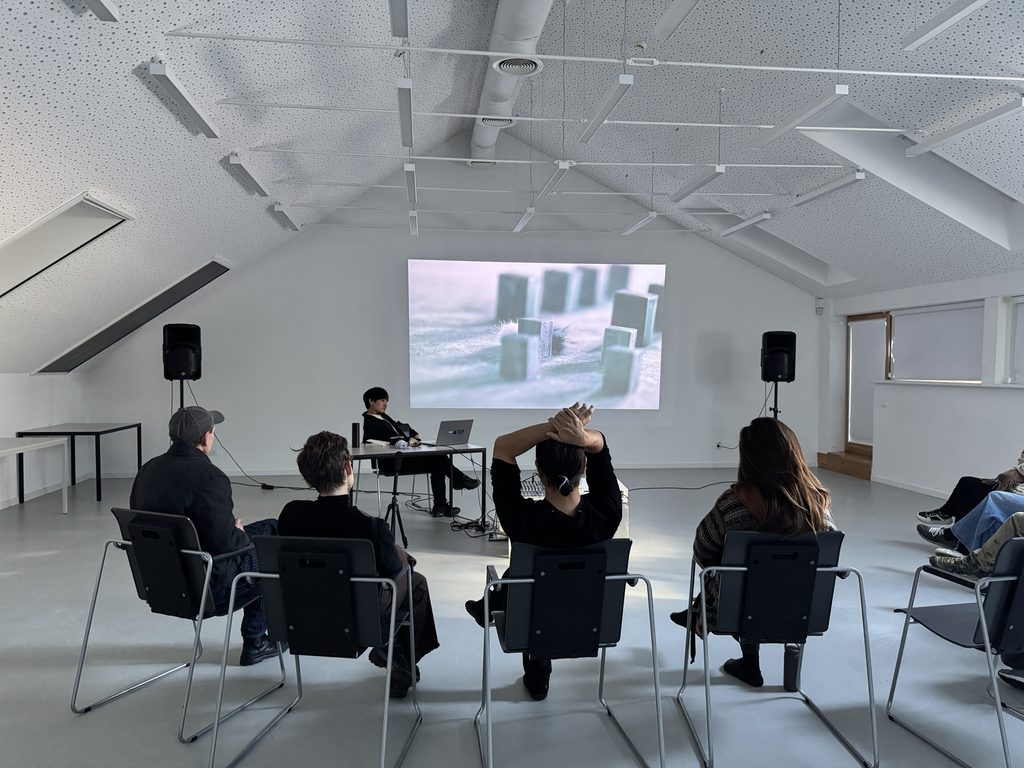
Soichiro Mihara’s practice brings together natural processes, technology, belief, and invisible forms of energy. The artist works with sound, air, microorganisms, moss, soil and other living or changing systems, exploring the relationship between humans, technology, and the environment. His artistic approach is particularly relevant to the context of the Curonian Spit, where natural, atmospheric, and material conditions form an integral part of everyday experience.
Baku Hashimoto’s practice is characterised by an experimental engagement with technology and moving image. The artist works across video, CGI, stop-motion animation, web-based art, and generative art, using technology not only as a creative tool but also as an active system that shapes both the artwork and how it is perceived.
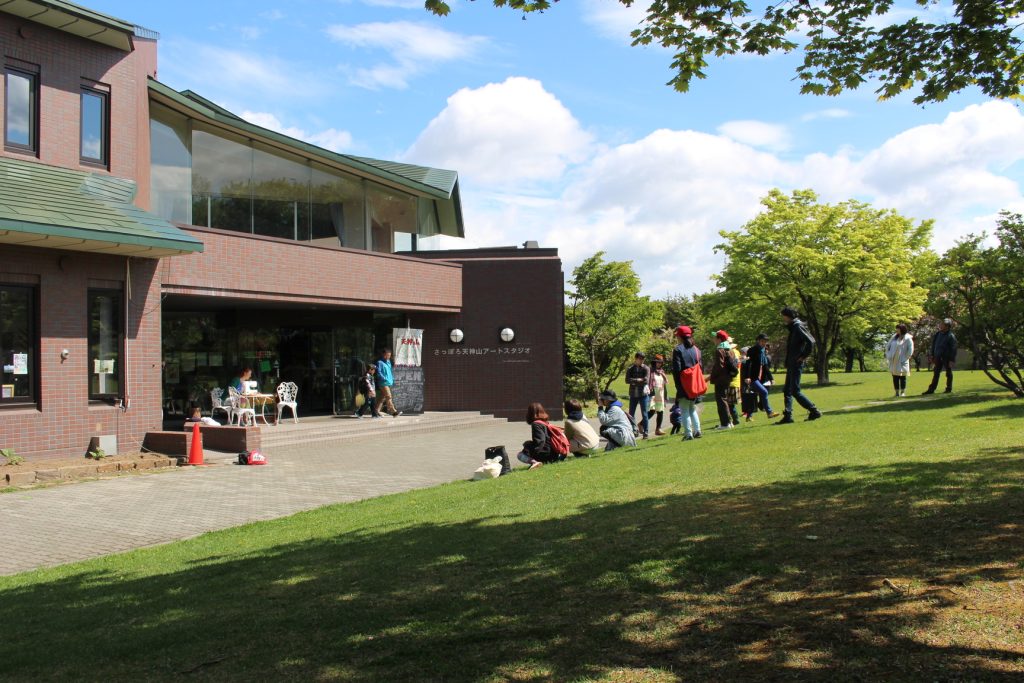
The next stage of the exchange will take place in Sapporo in January 2027, when Lithuanian artists Kipras Dubauskas and Gailė Griciūtė will be in residence at Sapporo Tenjinyama Art Studio.
Kipras Dubauskas’ practice focuses on public space, urban infrastructure, marginal territories, and walking as a method of research. The Sapporo partners were particularly interested in the possibility of developing his research into the public realm and the urban environment in Hokkaido – a region whose present-day urban and social structures have been strongly shaped by state planning and a complex colonial history.
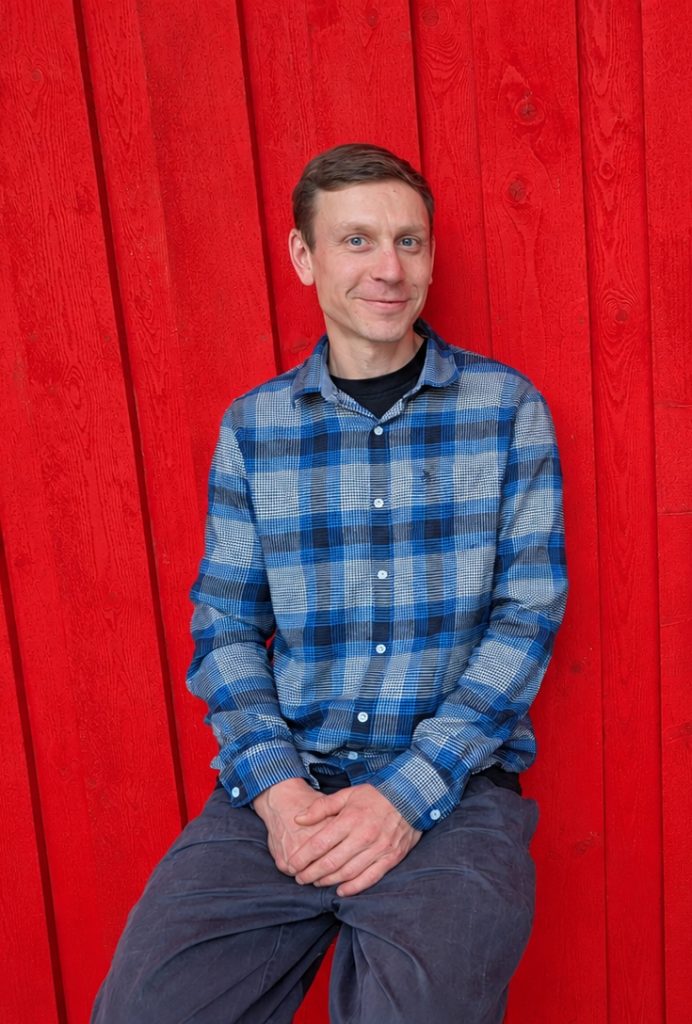
Gailė Griciūtė works in sound art, approaching sound not as a fixed object but as a constantly changing phenomenon shaped by its environment, space, and the act of listening itself. The Sapporo partners were particularly interested in her ability to use sound to draw attention to the listener’s own presence and their relationship with their surrounding environment.
The exchange programme also coincides with the opening of Sapporo International Art Festival (SIAF) 2027. Festival opening events are scheduled for 16 January, followed by an international symposium on 18 January, at which Neringa Bumblienė, Director of Nida Art Colony of Vilnius Academy of Arts, will deliver a presentation. The event will provide an opportunity to share insights from the residency exchange, discuss future institutional cooperation and forge new connections between Lithuania and Japan.
The project is developed in cooperation between Nida Art Colony of Vilnius Academy of Arts, Sapporo Tenjinyama Art Studio and the Delegation of the European Union to Japan.
You can also read more about the Lithuanian–Japanese artist exchange programme and its wider context in the press release published by the Delegation of the European Union to Japan: https://www.eeas.europa.eu/delegations/japan/jp-lt-artist-exchange-siaf2027_en?s=169